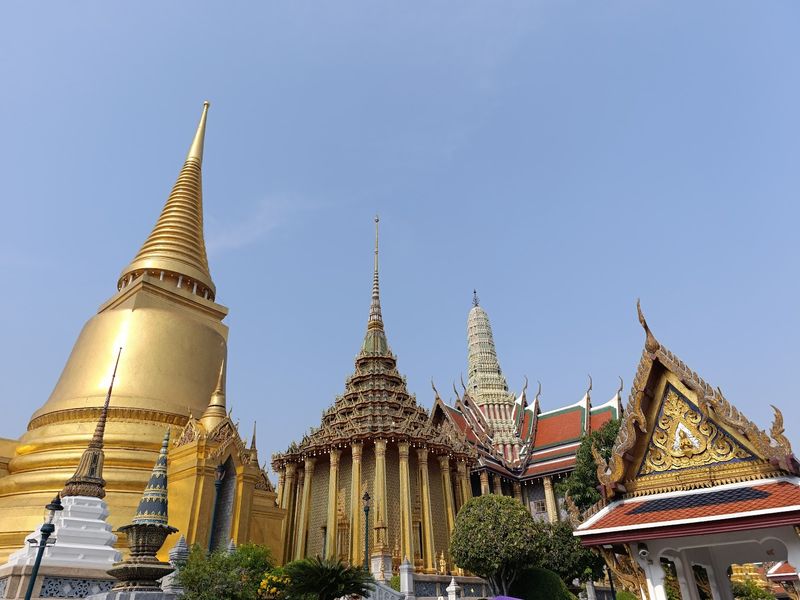
Thailand for solo women
The infrastructure is good, the food is extraordinary, and the solo traveler network here is the largest in Southeast Asia.
Thailand has a lot of solo women moving through it at any given moment. That critical mass matters. You will find other travelers at guesthouses, on overnight trains, at cooking classes. The country has absorbed backpackers and independent travelers long enough that most systems account for them.
Grab works in every major city. Night buses and trains connect the north and south reliably. Convenience stores are open around the clock. The logistics of being alone here are genuinely easy compared to most of Southeast Asia.
The harder part is deciding what kind of trip you want. Thailand contains multitudes: mountain towns with cold mornings and hill tribe villages, urban Bangkok with its elevated transit and rooftop bars, islands that range from full-moon party chaos to mangrove stillness. Pick wrong and you'll be miserable. Pick right and you'll extend your stay.
Why Thailand
Thailand's tourist infrastructure is built around independent travelers, which means solo women are not an anomaly here. Grab eliminates taxi negotiation. 7-Eleven and FamilyMart are on nearly every block and function as 24-hour resource centers. Hostels and guesthouses are experienced with women arriving alone and most have common areas where you'll meet other travelers within hours.
Where to go in Thailand
BangkokFirst-time visitors to Southeast Asia, food-focused travelers, women who want urban infrastructure with easy day trips.
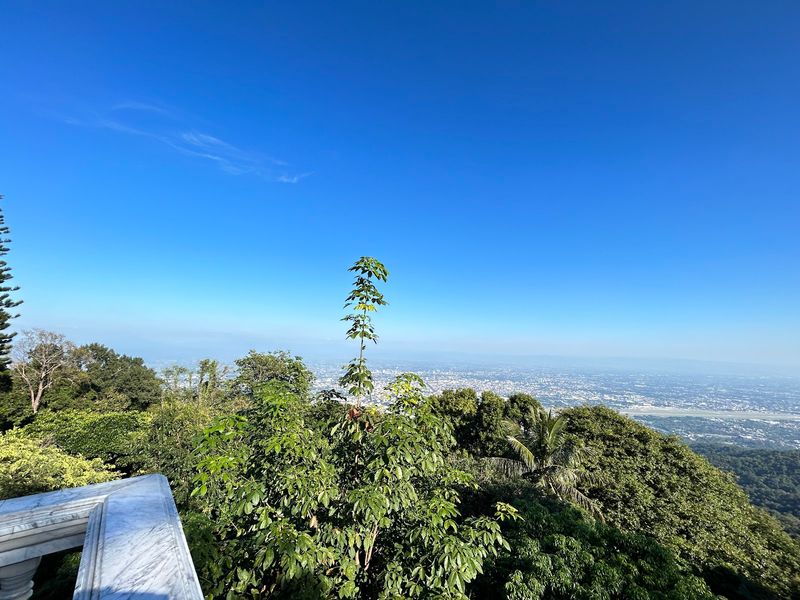 Chiang Mai
Women who want a slower pace, cooking classes, temple circuits, or a base for trekking in the north.
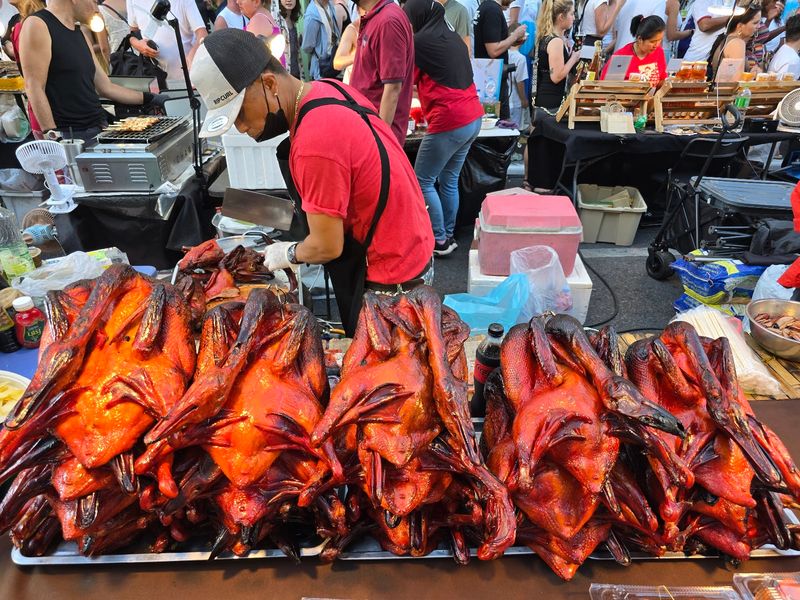 Phuket
Island infrastructure without roughing it, diving certifications, or a starting point for Phang Nga Bay day trips.
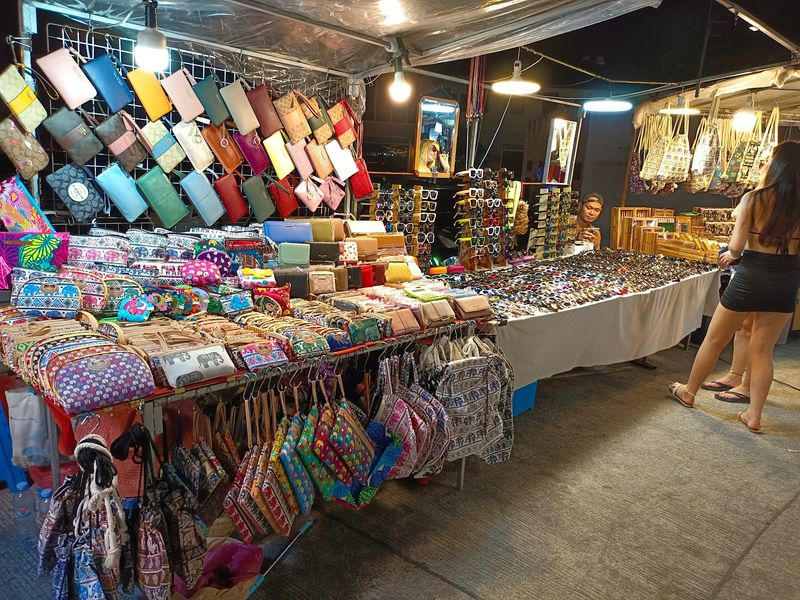 Koh Samui
Women wanting beach time with good restaurants and reliable accommodation rather than backpacker chaos.
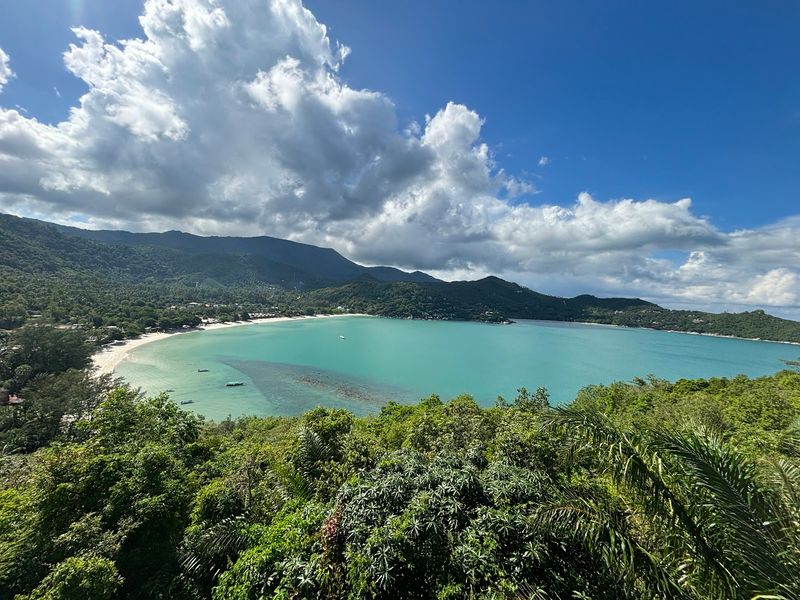 Koh Phangan
Women on yoga or wellness retreats, travelers who want a social island without Samui's prices, Full Moon Party.
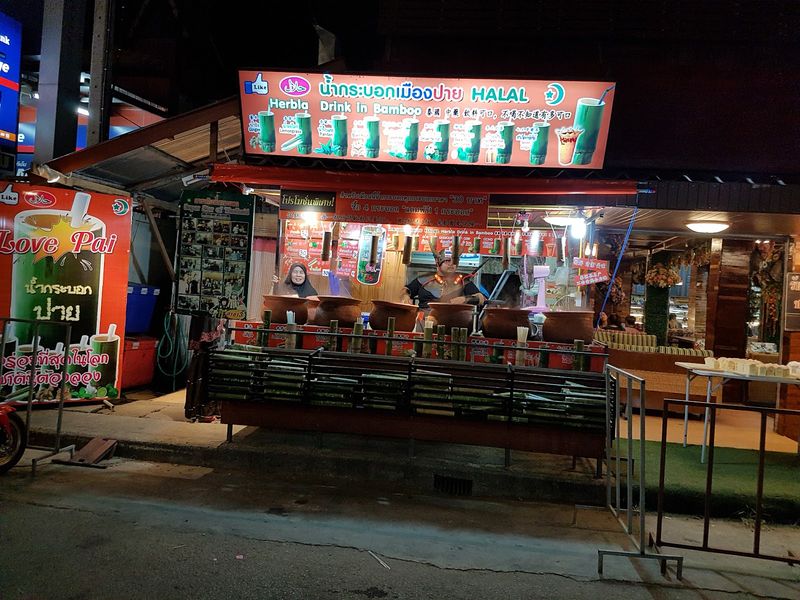 Pai
PaiTravelers wanting mountain air, a genuinely slow pace, and something that feels different from Thai beach tourism.
 Krabi
KrabiRock climbing, island-hopping, women who want access to multiple beaches without basing in Phuket.
Getting around Thailand
Bangkok to Chiang Mai: overnight train is worth booking in advance, sleeper berths go fast. The flight takes an hour and costs little. Bangkok to Koh Samui or Koh Phangan: fly to Surat Thani and take the ferry, or book a combined bus-ferry ticket from Bangkok's southern bus terminal. Phuket to Krabi: minivan services run multiple times daily and take around two hours. Within cities, Grab is the default. In Bangkok, BTS and MRT are faster than any road vehicle during peak hours. On islands, scooters are how most people move. If you have not ridden one before, islands are not the place to learn: traffic is unpredictable and roads can be steep.
When to visit Thailand
November through February is the dry season on most of Thailand and the most comfortable time to travel. March through May is hot, particularly in the north. The Gulf Coast islands (Koh Samui, Koh Phangan) have a different rain pattern to the Andaman side (Phuket, Krabi): when one side is wet, the other is often dry. The Andaman coast is best November to April. Gulf Coast is better June to October. August and September are the wettest months across the country, though rain usually comes in afternoon bursts rather than all-day downpours.
Local knowledge
- Most nationalities get 30 days visa-free on arrival. If you want longer, check your passport: some countries get 60 days. Thailand30 and Thailand60 visa-on-arrival schemes exist but rules change. Check the Thai embassy website before you fly.
- Buy a SIM card at the airport on arrival. AIS and DTAC both have counters before you exit arrivals. Tourist SIMs with data are cheap and activation takes minutes. Do this before you get in a vehicle.
- Wat dress code is real. Cover your shoulders and knees for any temple visit. Most major temples sell or loan wrap skirts at the entrance if you forget. Carrying a light scarf in your bag solves this permanently.
- The wai (pressing palms together and bowing slightly) is how Thais greet each other. Foreigners are not expected to initiate it, but returning one when offered is good manners. Do not wai younger people or children.
- The royal family is spoken about carefully. Public criticism is a criminal offence under lese-majeste law. This applies to tourists. The same applies to stepping on dropped currency: coins carry the king's image.
- Pharmacies are a first stop for minor illnesses. Thai pharmacists are trained and will often give you what you need without a prescription. Explain symptoms clearly. Boots and local pharmacies are everywhere.
- Pad Thai sold on the street and pad Thai in a tourist restaurant are different meals. Find the carts that have a queue of locals. The price difference is significant and the food is better.
Thailand travel FAQ
Can I travel Thailand solo without speaking Thai?
Yes. English is widely spoken in tourist areas, guesthouses, and restaurants. Grab removes the language barrier from transport entirely. In markets and smaller towns, pointing and Google Translate work fine. Learning a few words in Thai, specifically hello (sawadee ka for women) and thank you (khob khun ka), is noticed and appreciated.
What do women typically wear in Thailand?
On the islands and in beach towns, shorts and tank tops are standard. In Bangkok and cities, women dress similarly to most Southeast Asian capitals: modestly on the street, with more variety in areas like Sukhumvit. For temples, always cover shoulders and knees. Loose linen trousers and a light long-sleeve layer handle most situations.
How do women handle transportation late at night?
Grab is the consistent answer. You see the driver's name, photo, plate number, and can share your trip live with someone. In Bangkok, the BTS runs until midnight and covers most areas travelers use. On islands with no Grab coverage, agree on a price before getting in a vehicle and note the plate.
Is solo dining awkward in Thailand?
No. Thailand is one of the easier countries in the world to eat alone. Street food is made to order for one. Hawker-style restaurants have communal tables. Sit-down restaurants are accustomed to solo travelers. Bring a book or don't. Either is fine.
What is the realistic budget range for solo travel in Thailand?
Thailand accommodates a wide range. Guesthouses and dorm beds exist in most cities. Mid-range private rooms with air-con are available in every destination covered here. Food costs depend entirely on where you eat: street stalls are dramatically cheaper than restaurants with English menus. Budget more for the islands, where everything arrives by ferry.
How do women usually meet other travelers in Thailand?
Guesthouses and hostels with common areas are the fastest way. Cooking classes in Chiang Mai consistently put solo travelers together. Yoga retreats on Koh Phangan draw a high proportion of women traveling alone. The traveler network in Thailand is dense enough that isolation is genuinely hard to maintain if you don't want it.
Get the full guide in the Sola app
Neighborhood-level detail, offline access, and community insights from women who have been there.