Malacca on Your Own Terms
A UNESCO-listed city compact enough to walk end-to-end, with enough history, street food, and river-lit evenings to fill a week.
Malacca sits about two hours south of Kuala Lumpur by bus. It's one of Malaysia's oldest port cities, and the Dutch, Portuguese, and British each left a layer behind. What that means on the ground: a small, walkable historic core, temple-lined streets that empty into river promenades, and a food culture that draws Malaysians from KL on weekends.
For a solo traveler, the scale works in your favor. Jonker Street and the surrounding area can be crossed on foot in twenty minutes. Grab works reliably. The city runs on tourism, so most guesthouse owners speak English and are used to women traveling alone.
This isn't a city for nightlife or beaches. It suits someone who wants to spend a few slow days eating Nyonya food, cycling past Dutch colonial architecture, and sitting at a river-facing café with a long iced coffee.
Who this guide is for
Malacca works well for a solo traveler who wants history and food without the logistics of a large city. It suits someone who moves slowly, eats often, and doesn't need a beach or a rooftop bar to feel like they're having a good trip.
Malacca neighborhoods
Jonker Street (Chinatown)
This is the historic center. The main strip, Jalan Hang Jebat, runs through restored shophouses converted into cafés, antique shops, and guesthouses. On Friday and Saturday nights a street market takes over, and foot traffic stays high until around 11pm.
Best for: First-timers, food seekers, and anyone who wants to be within walking distance of most major sights.
Getting around: Almost everything here is walkable; the main cluster of temples, the Stadthuys, and the river are all within a ten-minute walk of each other.
Bukit China
A quiet residential hill that holds one of the oldest Chinese cemeteries outside China. The streets around the base have a handful of local kopitiam coffee shops and the Sam Poh Kong temple at the foot of the hill. It's a five-minute tuk-tuk ride from Jonker Street.
Best for: A quieter morning away from the tourist center, with strong local coffee and minimal crowds before 9am.
Getting around: Walk the hill itself, but grab a Grab or tuk-tuk from Jonker Street to the base.
Portuguese Settlement (Ujong Pasir)
About four kilometers from the historic core, this coastal neighborhood is home to Malacca's Eurasian-Portuguese community. The square has a few restaurants serving Devil's Curry and grilled seafood, and the area is quieter than Chinatown by a significant margin.
Best for: Dinner at a table with actual locals around, and a look at a side of Malaccan history most day-trippers skip.
Getting around: Too far to walk from the center; Grab takes about ten minutes and is the most straightforward option.
Kampung Morten
A Malay village that survived on the banks of the Malacca River, right against the edge of the tourist district. Traditional wooden stilted houses sit alongside community gardens, and you can cross a narrow footbridge from the river walk to reach it. Villa Sentosa, a Malay heritage house, offers informal tours.
Best for: A twenty-minute walk that feels completely separate from the Jonker Street crowd.
Getting around: Accessible on foot from the river promenade via footbridge.
Heeren Street (Jalan Tun Tan Cheng Lock)
One block from Jonker Street but noticeably quieter. This road is lined with the longest Peranakan townhouses in Malaysia, some still occupied by families. A few boutique guesthouses and independent antique dealers have set up here without the weekend market crowds.
Best for: Guesthouse-staying and slower mornings with better architecture and less noise than Jonker.
Getting around: Completely walkable from Jonker Street; it runs parallel one block south.
Best area to stay in Malacca at a glance
| Neighborhood | Best for | Getting around |
|---|---|---|
| Jonker Street (Chinatown) | First-timers, food seekers, and anyone who wants to be within walking distance of most major sights. | Almost everything here is walkable; the main cluster of temples, the Stadthuys, and the river are all within a ten-minute walk of each other. |
| Bukit China | A quieter morning away from the tourist center, with strong local coffee and minimal crowds before 9am. | Walk the hill itself, but grab a Grab or tuk-tuk from Jonker Street to the base. |
| Portuguese Settlement (Ujong Pasir) | Dinner at a table with actual locals around, and a look at a side of Malaccan history most day-trippers skip. | Too far to walk from the center; Grab takes about ten minutes and is the most straightforward option. |
| Kampung Morten | A twenty-minute walk that feels completely separate from the Jonker Street crowd. | Accessible on foot from the river promenade via footbridge. |
| Heeren Street (Jalan Tun Tan Cheng Lock) | Guesthouse-staying and slower mornings with better architecture and less noise than Jonker. | Completely walkable from Jonker Street; it runs parallel one block south. |
Where to stay in Malacca
The Majestic Malacca
Heeren Street areaA colonial mansion converted into a boutique hotel, with original Peranakan tiling and a courtyard pool. Rooms are large by Malaysian boutique standards, and the location puts you a three-minute walk from Jonker Street without the weekend noise.
Best for: Anyone who wants a quiet, characterful base with consistent service and doesn't want to share a bathroom.
Baba House Malacca
Jonker StreetA restored Peranakan shophouse with carved wooden detailing throughout. It's small, around a dozen rooms, so the owner is usually on-site and knows the guests by name. Breakfast is served in the courtyard.
Best for: Solo travelers who appreciate a guesthouse with a host who can give actual local recommendations.
Casarica Bed and Breakfast
Jonker StreetOne of the better-value heritage guesthouses in the historic center, with high ceilings and tiled floors original to the building. It books out fast on weekends, so reserve ahead.
Best for: Budget-conscious solo travelers who still want heritage character over a standard hotel room.
Hotel Puri
Jonker StreetSitting inside a restored Peranakan mansion on Jalan Tun Tan Cheng Lock, this hotel has been running for decades and has a calm, unhurried feel to it. The garden courtyard is one of the more pleasant spots in the neighborhood to have a morning coffee.
Best for: Travelers who want a mid-range option with some history and a location they can walk home from late.
Ringo's Foyer
Jonker StreetA guesthouse known more for its atmosphere than its frills. Common areas fill up with travelers sharing food recommendations, and the staff are genuinely helpful about what's worth doing versus what's overhyped. Rooms are clean and basic.
Best for: Solo travelers who want to meet other people without staying in a hostel dorm.
This is the preview. The Sola app has offline maps, saved places, and community tips from women who have been here.
Get the appWhere to eat in Malacca
Nancy's Kitchen
Jonker StreetOne of the most-referenced spots for Nyonya food in Malacca. The Chicken Pongteh and Nyonya Laksa are the things to order. It's small, cash-preferred, and fills up fast on weekends.
Counter seating is available and nobody gives a second glance to someone eating alone.
Pak Putra Restaurant
Near Kampung MortenAn open-air Pakistani-run restaurant that stays open very late and is famous for its tandoor roti and kebabs cooked in a wood-fired clay oven at the entrance. Locals and tourists mix here in a way that feels unforced.
The open layout and communal tables make solo dining comfortable; ordering by pointing at the tandoor works fine.
Selvam Restaurant
Little India, near Jalan TemenggongA no-frills banana leaf rice restaurant that has been feeding the local Indian community for years. The rice arrives fast and the curry selection is broader than most tourist-facing spots.
Efficient service means you're in and out in under thirty minutes if you have somewhere to be.
Hoe Kee Chicken Rice Ball
Jonker StreetChicken rice balls are a Malaccan specialty and this is one of the oldest spots to try them. The rice is shaped into small spheres and served with poached or roasted chicken. Expect a queue on weekends; the wait is typically under twenty minutes.
Single portions are available and the menu is simple enough that ordering is quick.
Calanthe Art Café
Jonker Street areaA café built around thirteen Malaysian state coffees, each brewed differently. It's a genuinely good place to spend an hour with a book. The food is secondary but the drinks are the point.
Tables for one are the norm here and the pace is slow enough that nobody rushes you.
Things to do in Malacca
Walk the Malacca River Promenade
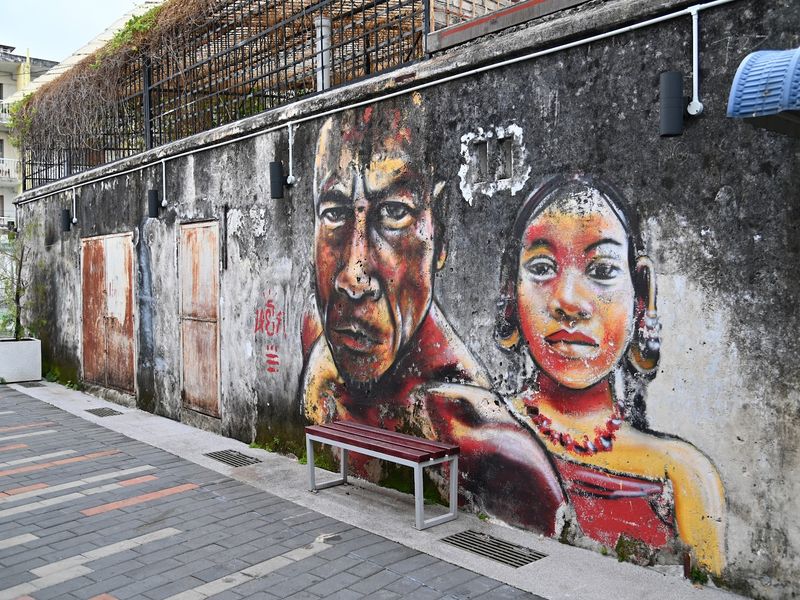
The river has been cleaned up considerably over the past decade and the banks now have a continuous walkway lined with murals, small bridges, and café terraces. The stretch from the Dutch Square to Kampung Morten and back takes about an hour at a relaxed pace.
The promenade is well-lit and has foot traffic until around 10pm on most nights, longer on weekends.
Baba and Nyonya Heritage Museum
A preserved Peranakan townhouse on Heeren Street that functions as both a family home and a museum. Guided tours run on a fixed schedule and last about forty-five minutes. The interior holds original furniture, porcelain, and clothing that give context to everything you see in the shophouses outside.
Tours only run at specific times and you cannot enter independently, so check the schedule before arriving.
St. Paul's Hill and A Famosa
The ruined walls of A Famosa and the roofless St. Paul's Church sit at the top of a short but steep hill above the Dutch Square. The view over the rooftops is one of the better ones in the city, and the ruins themselves are from the 1500s. The hill takes about ten minutes to climb.
Go before 9am to have the ruins mostly to yourself before tour buses arrive.
Jonker Street Night Market
Friday and Saturday evenings the main stretch of Jonker Street closes to traffic and fills with food stalls, handmade goods, and enough people that it becomes its own event. Durian puffs, cendol, and grilled satay are the things worth eating here.
It runs from around 6pm to midnight; the crowd peaks around 9pm.
Cycling the Outskirts
Several guesthouses in the historic center rent bicycles, and the flat terrain and short distances make cycling the most useful way to reach places like Bukit China and the Portuguese Settlement without paying for multiple Grab rides. The roads around the historic core are manageable outside of peak hours.
Rent in the morning; the afternoon heat between noon and 3pm makes cycling significantly less pleasant.
Getting around Malacca
Grab is the primary way to get between neighborhoods. Fares inside the city are low, and the app works consistently here. Tuk-tuks (motorized rickshaws) operate in the tourist areas and charge more than Grab for the same distance, but some are decorated elaborately and are worth taking once for the experience. Walking covers most of the historic center. The express buses from KL's TBS terminal drop passengers at Malacca Sentral, which is about five kilometers from Jonker Street; from there take Grab rather than waiting for the local bus. There are no Grab rides available to the bus terminal from within the historic center after around 11pm, so plan departures accordingly.
When to visit Malacca
March through early May and late August through October are the most comfortable months, with less rain and lower humidity than the peak monsoon period. November through January brings the northeast monsoon and consistent rain, particularly in the afternoons. Weekends year-round bring significant crowds from KL; arriving on a Wednesday or Thursday and leaving Sunday morning gets you the city at its quietest.
Local knowledge
- The Jonker Street weekend market shuts down by midnight; after that Pak Putra is one of the few places still serving food.
- Grab surge pricing happens when tour buses arrive and release passengers simultaneously around 9am and 2pm near the Dutch Square area.
- The Baba and Nyonya Heritage Museum tour is the same content regardless of group size, so going on a quieter weekday means you get a near-private tour for the same price.
- Cendol at Jonker 88 is the most recommended in the city; the line moves fast and the portion is larger than it looks.
- Many guesthouses in the historic center don't have elevators and the staircases are original shophouse staircases, meaning steep and narrow. Ask about this if you have a large bag.
- The river boat tours run in the early morning and early evening; the afternoon route goes through sections that smell significantly worse due to drainage.
- 7-Eleven on Jonker Street is the easiest place to withdraw cash after banking hours if you run short; there are limited ATMs inside the historic core itself.
Malacca travel FAQ
Country guide
Malaysia travel guideOverview, transport between cities, and practical tips for Malaysia.
More Malaysia guides
Get the full guide in the Sola app
Neighborhood-level detail, offline access, and community insights from women who have been there.