Malaysia for solo women
A country where the food alone is reason enough to come alone.
Malaysia runs on infrastructure that actually works. Grab operates everywhere, train networks connect the main cities, and even mid-range guesthouses tend to have 24-hour front desks. You're not figuring things out from scratch here.
Most women traveling alone find the day-to-day easy. Hawker centers are designed for solo eating. Locals are direct without being aggressive. English is widely spoken, especially in urban areas.
The country is Muslim-majority but plural. You'll see mosques beside Hindu temples beside Chinese shophouses. That plurality shapes how public space feels. Women occupy it without comment, across age groups and dress codes.
Why Malaysia
Grab works in every city on this list, which removes the negotiation and price-guessing that exhausts solo travelers elsewhere. The intercity bus and train network is reliable enough to move between destinations without booking private transfers. Street lighting in commercial areas is generally strong, and night markets keep pedestrian foot traffic high until at least 11pm.
Where to go in Malaysia
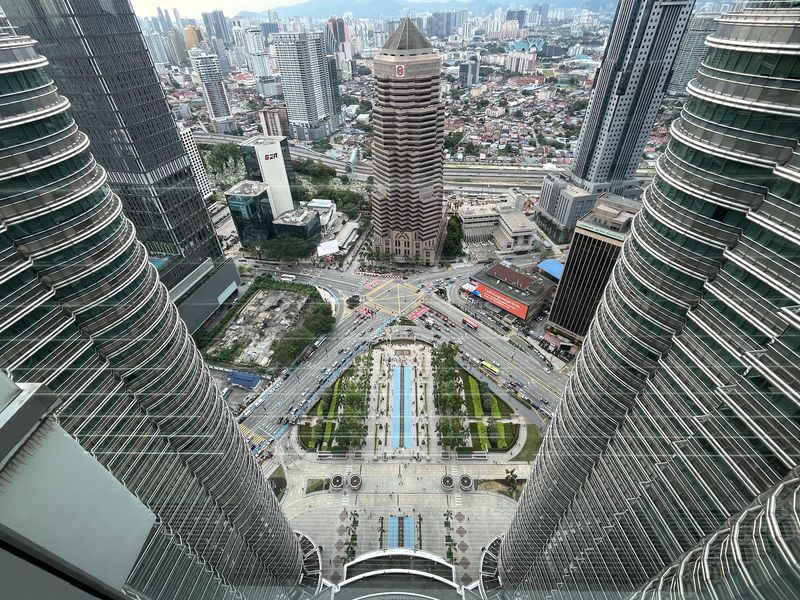
Kuala LumpurFirst-time visitors to Malaysia, women who want city logistics to be frictionless, anyone connecting onward to Penang or Langkawi
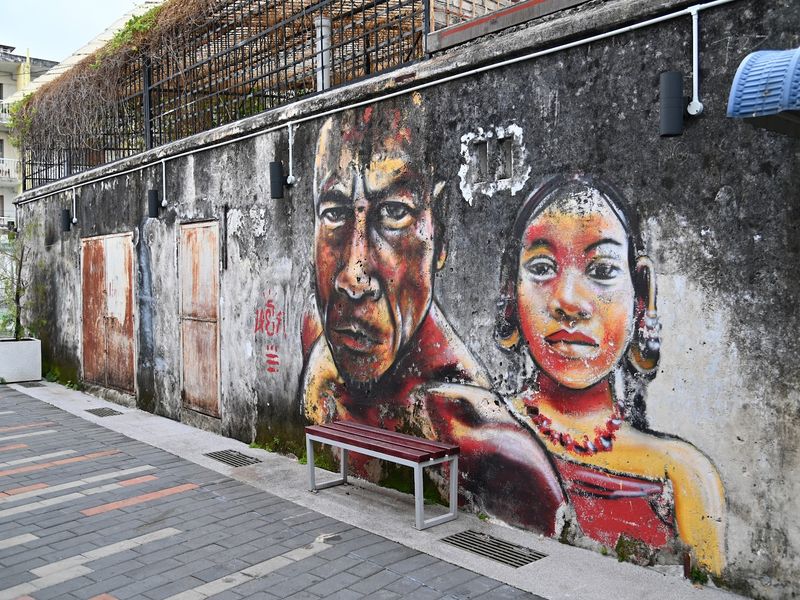 Penang
Women interested in food history, street art, heritage architecture, or a base for slower travel
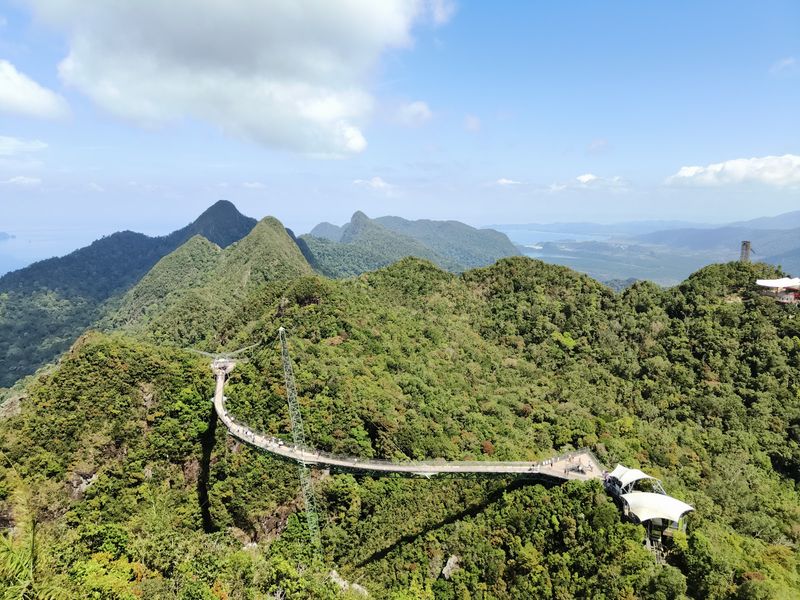 Langkawi
Women who want to decompress after denser city travel, or anyone who wants to rent a scooter and explore at their own pace
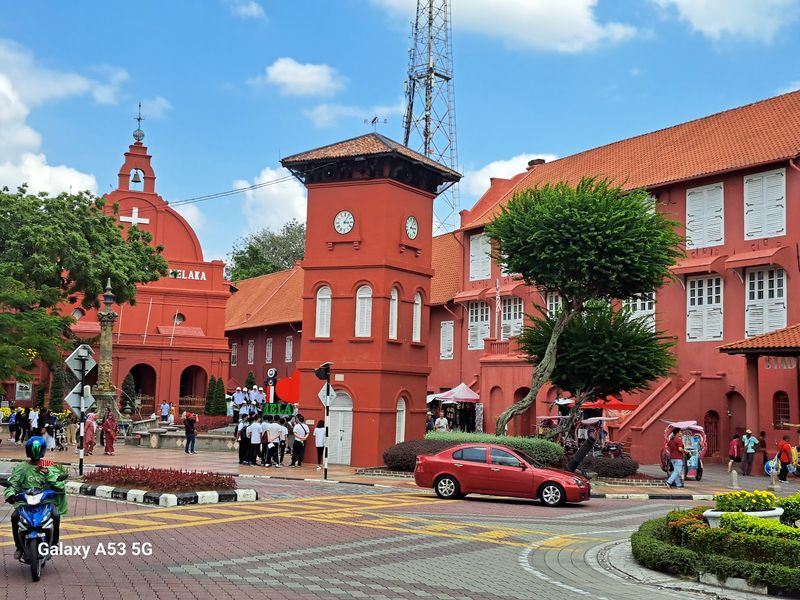 Malacca
Day-trip from KL or a two-night stop between cities. Good for history and Portuguese-influenced food.
Getting around Malaysia
KL to Penang: ETS train from KL Sentral takes around four hours and drops you at Butterworth, then a short ferry crosses to George Town. Book via the KTM website or app. KL to Malacca: Transnasional and Aeroline buses run from TBS (Terminal Bersepadu Selatan) and take about two hours. KL to Langkawi: fly from Subang or KLIA; AirAsia runs the route frequently. On Langkawi itself, Grab exists but coverage is thin outside Kuah and Pantai Cenang. Renting a scooter from a roadside shop near Cenang beach for the day is the practical option most travelers use. Within KL, the MRT Putrajaya Line and the Ampang and Sri Petaling lines cover most tourist-adjacent areas. Touch 'n Go card works across buses, trains, and some toll roads. Get one at any 7-Eleven.
When to visit Malaysia
November through February is the cooler, drier window for the west coast, which covers KL, Penang, and Malacca. Langkawi follows the same pattern. Avoid the east coast peninsular states July through September due to monsoon rains. Penang's Georgetown Festival runs in August and hotels book out early. Chinese New Year (January or February depending on year) means transport is packed and some hawker stalls close for a week.
Local knowledge
- Malaysian citizens from most Western countries get 90-day visa-free entry. Check the official Immigration Department of Malaysia website before travel, as reciprocal arrangements change.
- Get a local SIM at the airport arrivals hall. Maxis, Celcom, and Digi all sell tourist SIMs with data. It takes ten minutes and Grab won't work well without local data.
- Dress code matters at mosques and some temples. Carry a scarf or sarong. Most mosque entrances have loaner robes but your own is cleaner.
- Hawker centers operate on a self-seat system. Sit anywhere, order directly from individual stalls, then pay each stall separately. Drinks stall and food stall are almost always separate vendors.
- Grab is the default for any taxi situation. Metered taxis still operate but Grab prices are fixed upfront. The app also has GrabFood and GrabMart which are genuinely useful for guesthouse nights.
- Alcohol is available in supermarkets and most restaurants that aren't halal-certified, but it's taxed heavily. Expect to pay more than you would in Europe. Convenience stores like 7-Eleven don't sell alcohol.
- Tipping is not a standard expectation. Some hotel restaurants add a service charge automatically. At hawker centers, you don't tip.
Malaysia travel FAQ
Can I travel Malaysia alone without speaking Malay?
Yes. English is widely spoken in KL, Penang, and tourist-facing businesses across the country. In smaller towns or rural markets, you'll use pointing and numbers. It rarely becomes a real obstacle.
What should I wear as a woman traveling in Malaysia?
No legal requirement for non-Muslims to dress a particular way in public. In practice, covering your shoulders and knees at religious sites is expected. In cities and at beaches, most dress codes are relaxed. Carry a scarf regardless; it's useful more often than not.
Is solo eating normal for women in Malaysia?
Completely normal. Hawker centers are built for it. Most stools seat one, ordering is done standing at the wok, and nobody looks twice at a woman eating alone.
How does getting around at night actually work?
Grab is the practical answer after the trains stop. In KL, the MRT runs until around midnight. After that, Grab from any location to your accommodation is standard. Night markets in Penang and Malacca run until 11pm or later with consistent foot traffic on the main strips.
Is Langkawi actually worth it for solo travel?
Depends on what you want. If you're renting a scooter and exploring mangroves or the interior, yes. If you're relying on Grab and staying near Cenang beach, it gets repetitive after a couple of days. Penang offers more for women traveling alone without wheels.
What's the currency situation?
Malaysian Ringgit (MYR). ATMs are widely available in cities and accept international cards. Inform your bank before travel to avoid blocks. Hawker stalls and small shops are still largely cash-only; carry small bills.
Get the full guide in the Sola app
Neighborhood-level detail, offline access, and community insights from women who have been there.