
Vietnam for solo women
Long enough to go slowly, connected enough to never feel stranded.
Vietnam has a functioning train network, cheap reliable apps for rides and food, and enough solo travelers moving through that you're never the only one doing this. The country is long and thin. You can start in Hanoi, end in Ho Chi Minh City, and have six entirely different experiences in between.
Women here get stared at in smaller towns. Vendors will shout at you near tourist markets. Neither of these things is unusual or specific to solo women. Locals are curious and often genuinely warm once you're past the transaction layer.
The main practical friction is heat, traffic, and knowing which bus or train is worth taking versus which one adds six hours to your trip. This guide covers that.
Why Vietnam
The Grab app works in every major city and removes the haggling and meter-tampering that made older transport stressful. Hostels and guesthouses are dense enough that you can book two days ahead and almost always find a bed. Vietnam's long geography means you can travel north to south with the train as a spine, adding or cutting cities depending on how you feel.
Where to go in Vietnam
Ho Chi Minh CityWomen who want a big-city energy entry point, good food, and easy airport connections across Southeast Asia.
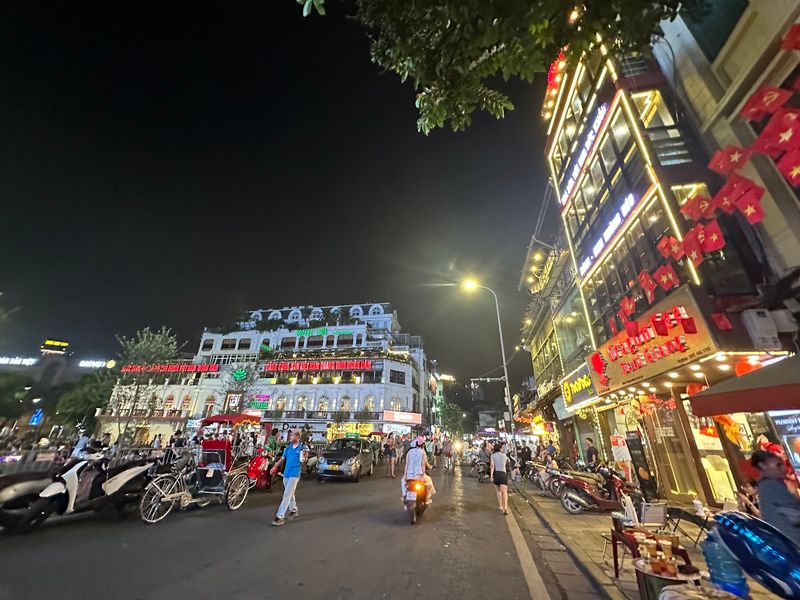 Hanoi
HanoiWomen who want history, architecture, and a base for northern Vietnam day trips.
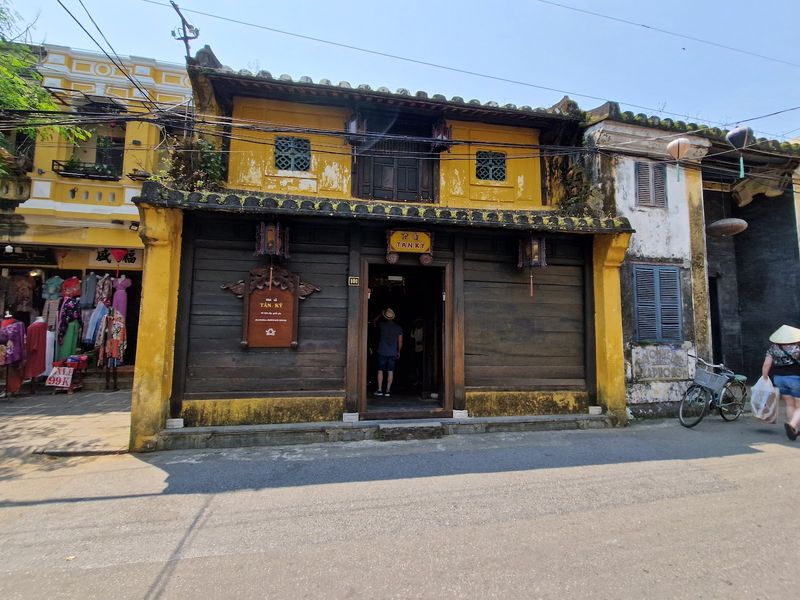 Hoi An
Women who want to slow down, get something tailored, and spend time near water without a party scene.
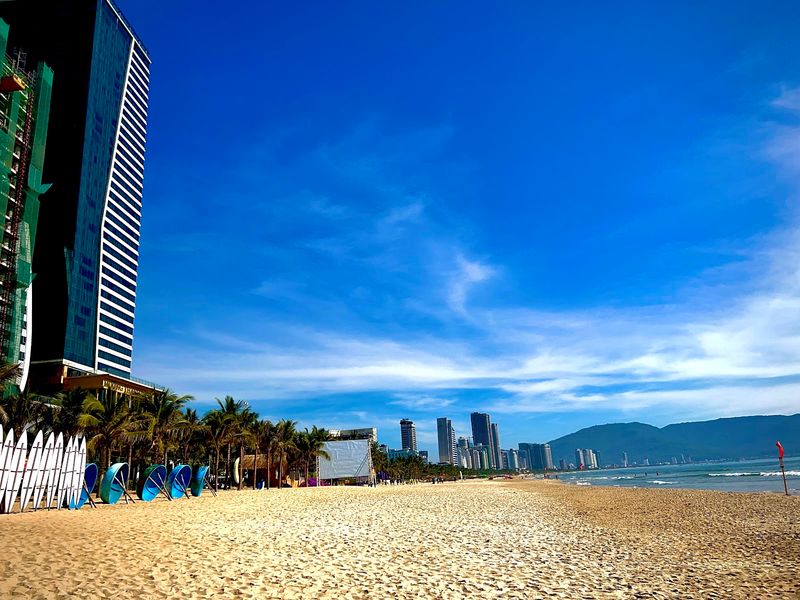 Da Nang
Women using it as a base for day trips or as a stopover with beach time built in.
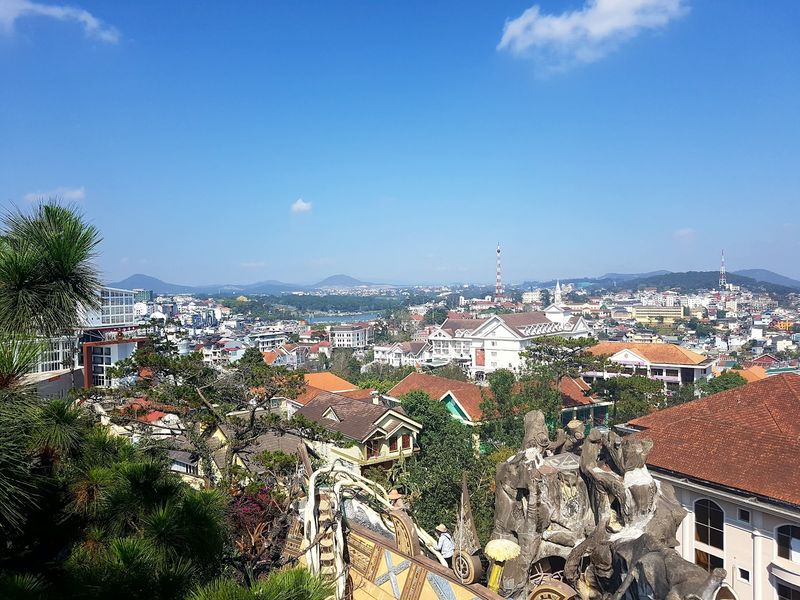 Da Lat
Women who want a temperature change, pine forests, and a slower pace with genuine local character.
Women who want swimming and diving access without traveling far from the main north-south route.
Getting around Vietnam
The Reunification Express train runs the full length of the country from Hanoi to Ho Chi Minh City. Book through the Vietnam Railways website or Baolau, which has an English interface and lets you choose seat class. Overnight sleeper cars on longer legs are worth the upgrade. For short hops, VietJet and Bamboo Airways run cheap domestic flights. Budget two hours at the airport minimum. Within cities, Grab covers cars and motorbike taxis. Motorbike taxis (GrabBike) are faster in traffic and cheaper. The app shows your route in real time and has in-app payment, so no cash negotiation needed.
When to visit Vietnam
Vietnam is long enough that no single month is ideal for the whole country. October through April is the best window for the south and central regions. Hanoi and the north are most comfortable from October through December and March through April. The central coast around Hoi An and Da Nang gets heavy rain from October through December. Da Lat is consistent year-round. Avoid the full country in August if you have flexibility: it's peak domestic holiday season and prices rise.
Local knowledge
- Vietnam offers e-visas for most nationalities, valid for 90 days with multiple entries. Apply through the official Vietnam Immigration portal. Processing takes three business days. Screenshot your approval letter before you land.
- Buy a SIM at the airport on arrival. Viettel and Mobifone both have desks before you exit arrivals. A local SIM with several gigabytes of data costs very little and works everywhere except remote mountain areas.
- Dress matters more in temples and pagodas than in cities generally. Carry a lightweight scarf in your bag. Shoulders and knees covered gets you into every temple without negotiating a sarong rental at the door.
- Bargaining is expected at markets and with xe om (motorbike taxi) drivers who aren't using an app. It's not expected in restaurants with printed menus or in shops with fixed price signs. Read the context before you start.
- Most ATMs charge a withdrawal fee. Vietcombank and BIDV ATMs tend to have lower fees than airport machines. Withdraw larger amounts less frequently to reduce fees overall.
- Crossing the street in Hanoi and Ho Chi Minh City is a skill. Traffic doesn't stop; it flows around pedestrians. Walk at a steady, predictable pace. Don't run or stop suddenly. It works.
- The phrase 'khong cam on' (no, thank you) said firmly and without eye contact is the most effective response to persistent vendor pressure. Engaging, even to decline politely, often extends the interaction.
Vietnam travel FAQ
Can I travel Vietnam alone without booking everything in advance?
Yes, for most of the route. Train tickets on popular sleeper routes sell out, so book those a week ahead. Accommodation in Hoi An fills up in high season. Everything else you can figure out on arrival or two days before.
What do women typically wear in Vietnam?
In cities, anything you'd wear at home works fine. For temple visits, covered shoulders and knees are required. Beach towns are relaxed. Da Lat is cool enough that you'll want a layer in the evening.
How do women handle transportation at night?
Grab is the default. Open the app, set your destination, watch the route in real time, pay through the app. It works until late in every major city covered in this guide.
Is street harassment common?
Vendors near tourist markets can be persistent. Staring happens more in smaller towns. Physical harassment is uncommon. Firm, brief responses work better than extended explanations.
Do I need to speak Vietnamese?
No. In cities and tourist towns, restaurant menus, guesthouse check-ins, and Grab all work in English. In rural areas you'll use more pointing and translation apps. Google Translate's camera function handles most menus.
How do women typically meet other travelers?
Hostels with common areas are the most reliable option. The main backpacker streets in each city, Grab motorbike tours, and cooking classes also tend to attract solo travelers. Hoi An and Hanoi have the densest solo traveler presence.
Get the full guide in the Sola app
Neighborhood-level detail, offline access, and community insights from women who have been there.