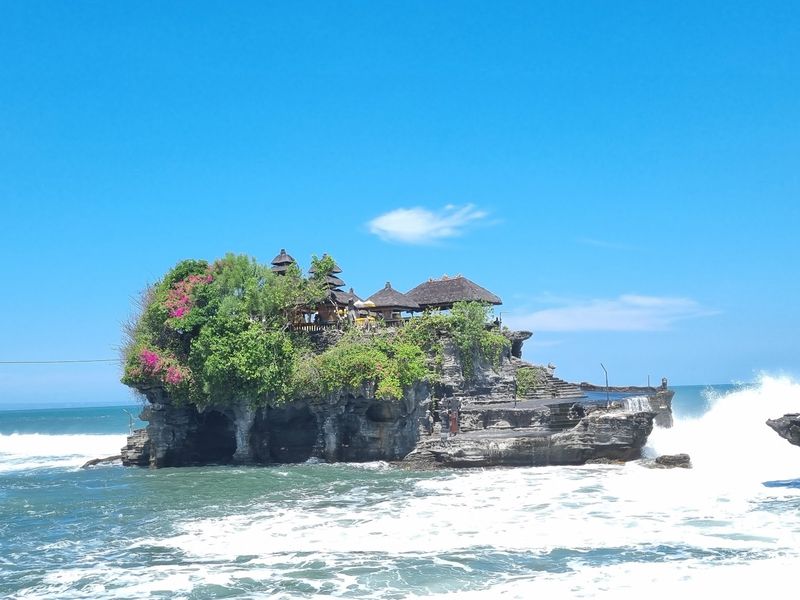
Indonesia for solo women
Four islands worth of temples, rice fields, and trains that actually run on time.
Indonesia is an archipelago of over 17,000 islands, but most solo women move through a handful of them. Bali, Java, and Lombok each have distinct personalities. You can spend a month and feel like you've barely scratched it.
Women traveling alone here attract some attention, more in rural areas than cities, more in Java than Bali. Balinese Hinduism and the tourism infrastructure around it means Bali reads differently from the rest of the country. Outside of tourist corridors, conservative Muslim dress norms apply, and women who adapt to that tend to have easier, warmer interactions.
The practical stuff works. Grab (the regional ride-hailing app) runs in every major city. SIM cards are cheap and fast. Accommodation ranges from ten-dollar guesthouses with good reviews to boutique hotels worth every rupiah. Budget how you want. Move how you want.
Why Indonesia
Indonesia has a well-worn solo travel infrastructure. Hostels with female dorms, reliable ride apps, and a guesthouse culture built around independent travelers make logistics manageable. Yogyakarta and Bali in particular have decades of solo travel history, so locals are used to women arriving alone and know what they need.
Where to go in Indonesia
BaliFirst-time solo travelers to Southeast Asia, women who want flexibility between social and solitary days
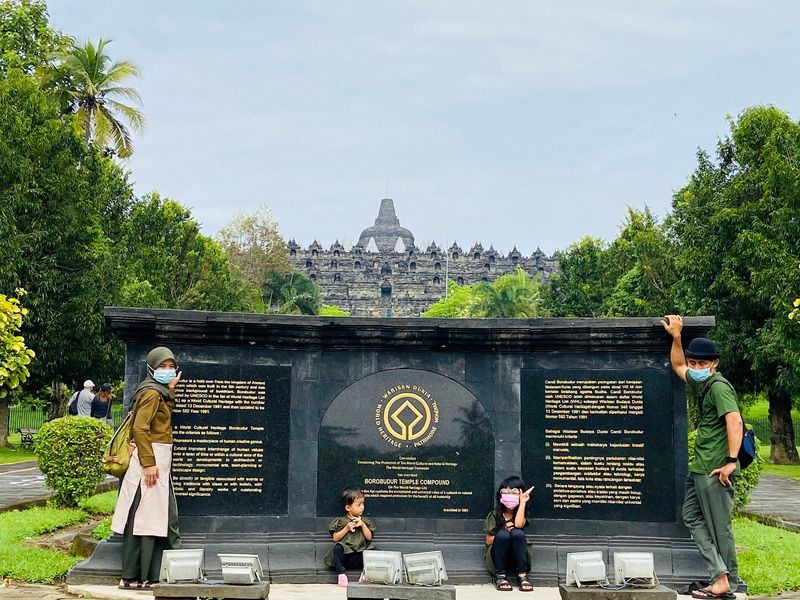 Yogyakarta
Women interested in Javanese culture, history, or batik. Those who want depth over beach.
Women on business, or those who want urban Indonesia without the tourism overlay
Women who've done Bali and want something slower, or divers heading to the Gilis
Getting around Indonesia
Between Bali and Lombok, the fast boat takes around two hours and leaves from Padang Bai or Sanur. Several companies run daily. Bali to Yogyakarta is a short domestic flight, roughly an hour, on Garuda, Lion Air, or Citilink. Book ahead during peak season. Jakarta to Yogyakarta has a good train option, the Argo Dwipangga or Taksaka overnight services, which take around eight hours and are comfortable. Book on the KAI Access app or website. Within cities, Grab is standard. In Ubud, Grab is technically restricted, so drivers quote fixed prices, always negotiate before you get in.
When to visit Indonesia
April through October is the dry season across Bali and Lombok. July and August are peak crowds and prices. May, June, and September are the sweet spot. Yogyakarta and Jakarta are year-round, but Java's wet season (November through March) brings heavy afternoon rain. Bali's wet season makes roads slippery and some waterfalls impassable.
Local knowledge
- Indonesia offers visa-on-arrival for most passport holders, currently valid for 30 days and extendable once. Buy it at the airport desk before immigration, not online through third-party sites.
- Get a local SIM card at the airport. Telkomsel has the widest coverage, including in rural areas. You'll need your passport. Top up at any minimart (Indomaret or Alfamart are everywhere).
- Grab is essential. Screenshot your destination in Indonesian before you travel, so you can show drivers if the app has issues.
- Cover your shoulders and knees when entering temples in Bali. Most provide sarongs at the gate, but having a light scarf in your bag means you're never turned away.
- In Yogyakarta and across Java, a loose long-sleeved layer and trousers or a long skirt will noticeably change how you're treated in markets and smaller towns. It's not required. It's just accurate local knowledge.
- Bargaining is normal at markets and for non-metered transport. At restaurants and shops with posted prices, it isn't. Starting at roughly half the first price and meeting in the middle is standard.
- Drinking tap water anywhere in Indonesia will make you sick. Bottled water is cheap and everywhere. Most guesthouses provide a refill station or bottle in the room.
Indonesia travel FAQ
Can I travel Indonesia alone without knowing Bahasa Indonesia?
In tourist areas, yes. English is widely spoken in Bali, Yogyakarta's guesthouse districts, and Jakarta's business areas. Farther from those centers, a translation app helps. Learning ten words in Bahasa, greetings especially, changes interactions noticeably.
What should I wear in Bali versus Java?
Bali is relaxed about clothing in tourist areas. Shorts and tank tops are fine in Seminyak or Canggu. Cover up for temple visits. In Yogyakarta and elsewhere on Java, conservative dress, covered shoulders and knees at minimum, is practical. Not a rule. Just how it works on the ground.
Do I need to book accommodation in advance?
In peak season (July, August, and Nyepi in Bali), yes. Ubud in particular books out weeks ahead. Outside peak season, showing up and choosing works fine, especially in Yogyakarta where guesthouses cluster in the same streets.
How do women-only train carriages work in Jakarta?
The Jakarta MRT and KRL commuter rail have women-only carriages, usually marked with pink signage at the platform. They're enforced during rush hours. Useful to know if you're navigating the city during commute times.
Is it easy to meet other travelers?
In Bali and the Gili Islands, very easy. Hostel common areas, surf schools, and cooking classes are natural meeting points. Yogyakarta's backpacker streets around Prawirotaman are social. Jakarta less so, it's a city people pass through.
How do I get between the Gili Islands and Bali?
Fast boats leave from Padang Bai and Serangan harbor in Bali to Gili Trawangan and Gili Air. The crossing takes roughly two hours. Book through your accommodation or directly with Gili Getaway or Scoot, which have better reputations for reliability than street sellers.
Get the full guide in the Sola app
Neighborhood-level detail, offline access, and community insights from women who have been there.