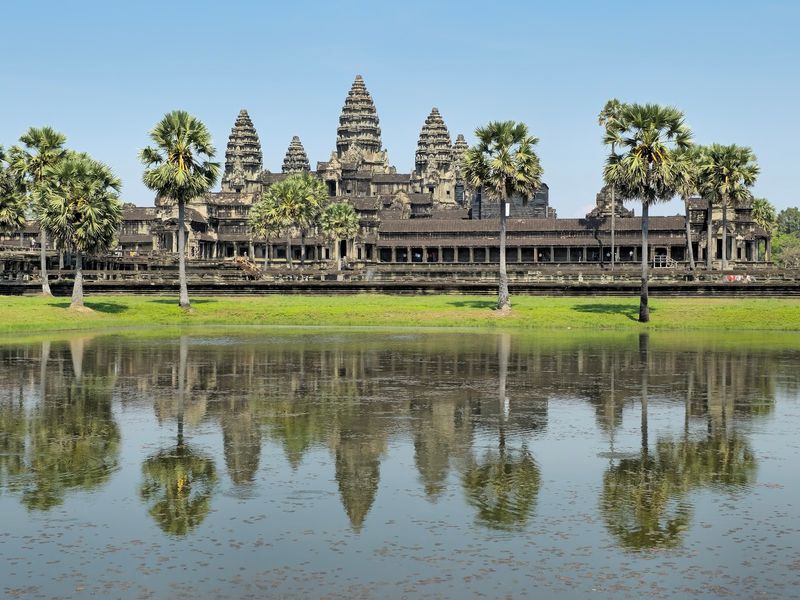
Cambodia for solo women
Ancient temples, river towns, and the kind of slow travel that makes you stay longer than planned.
Cambodia moves at a pace that works in your favor. Tuk-tuks are easy to hire by the day, guesthouses are used to solo travelers, and the country is small enough to cover three distinct places in two weeks without exhaustion.
The history here is heavy. You will encounter Khmer Rouge sites in Phnom Penh, and most women find them harder than expected. Go with time to sit with it afterward, not a tight schedule.
Locals are generally low-pressure. Street touts exist near Angkor Wat, but a calm 'no thank you' and walking away works. Women traveling alone are not unusual here.
Why Cambodia
Cambodia's size means short travel days between very different places. The guesthouse infrastructure is dense in all three main cities, with options ranging from dorms to boutique hotels all concentrated in walkable areas. Grab operates in Phnom Penh and Siem Reap, which removes most negotiation from getting around at night.
Where to go in Cambodia
Siem ReapWomen who want a structured reason to be somewhere, with evenings to explore a walkable town.
 Phnom Penh
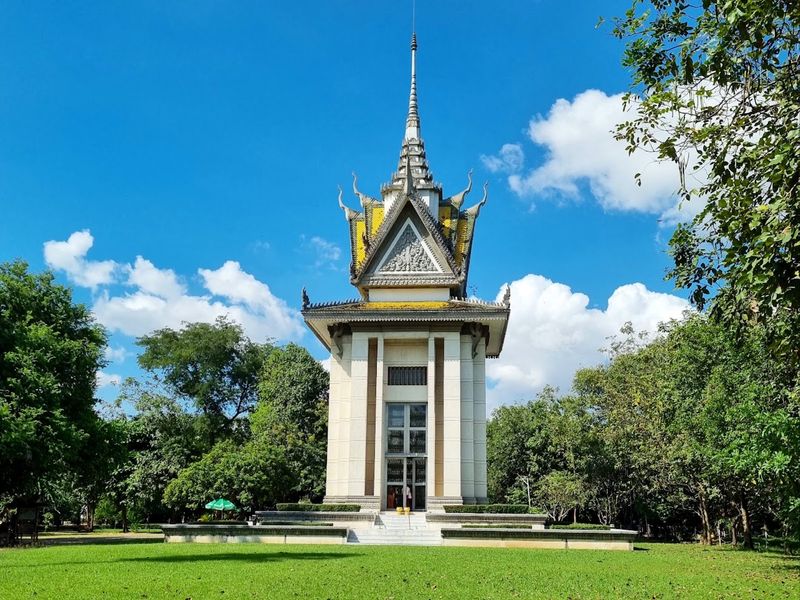
Women interested in history, urban river life, or using the city as a transit hub for the rest of the country.
 Kampot
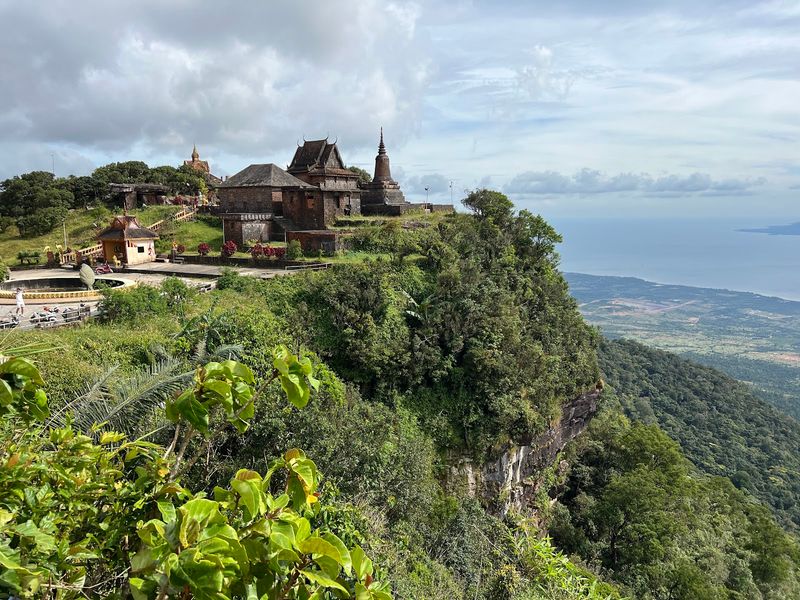
Women who want to slow down, rent a bicycle, and spend time doing very little on purpose.
Getting around Cambodia
Giant Ibis is the most reliable bus company for the Phnom Penh to Siem Reap route and runs air-conditioned coaches with assigned seats. The trip takes roughly six hours. Phnom Penh to Kampot takes about three hours by bus, with several companies running the route daily. Book through Bookmebus or directly on the Giant Ibis website. Domestic flights between Phnom Penh and Siem Reap exist and cut the time to 45 minutes, worth considering at the end of a trip when fatigue is a factor. Inside cities, Grab is the default for anything after dark.
When to visit Cambodia
November through February is dry season and the most comfortable time to visit. Temperatures are lower and temple visits in the early morning are genuinely cool. March and April are the hottest months, with midday temperatures making outdoor time difficult. May through October is wet season: heavy afternoon rains, some flooding near Kampot, but lower guesthouse prices and far fewer crowds at Angkor.
Local knowledge
- An e-visa covers most nationalities and costs around USD 36. Apply at evisa.gov.kh before you arrive. The process takes three business days. Do not use third-party visa websites that charge double.
- Cambodia runs on US dollars alongside Riel. ATMs dispense dollars. Riel is used for small change, typically anything under one dollar. Carry small bills because change is often given in Riel.
- A SIM from Cellcard or Smart Axiata is available at the airport and at shops throughout the country. Passport required. Data packages are inexpensive and connect well in all three main cities.
- Temple dress code at Angkor Wat and most other Khmer temples requires covered shoulders and knees. Lightweight cotton trousers and a scarf that can double as a shoulder cover are practical. Vendors sell cheap cotton pants near the entrance if you forget.
- Pointing the soles of your feet toward Buddha images or monks is considered disrespectful. In temples, sit cross-legged or with your feet tucked to the side.
- The custom of removing shoes before entering temples and some guesthouses is consistent. Slip-on sandals are genuinely more practical than lace-up shoes here.
- Tuk-tuk drivers near Angkor Wat will approach you repeatedly. If you have already arranged a driver for the day, introducing them by name to others you meet cuts down on repeat offers.
Cambodia travel FAQ
Can I visit Angkor Wat alone?
Yes. The temple complex has a clear entrance system, temple police stationed throughout, and enough other visitors that you are rarely isolated. Hiring a tuk-tuk driver for the day who waits between temples is standard practice and cheaper than multiple separate trips.
How do I get around Phnom Penh at night?
Grab is the most straightforward option. The app works well, fares are fixed before you confirm the ride, and the riverfront area has consistent foot traffic and lit streets for short walks between known spots.
Is it worth going to Kampot if I only have two weeks?
It depends on what you want. Kampot requires a deliberate detour south and rewards people who want to slow down. If your two weeks are already tight between Siem Reap and Phnom Penh, cutting it is reasonable. If you have three flexible days, it is a different pace from anywhere else in the country.
Do I need to cover my head at temples?
No. Cambodian temples do not require head coverings. Shoulders and knees covered are the consistent requirement at Angkor and most other Khmer religious sites.
What should I know about visiting the Khmer Rouge sites?
Tuol Sleng in Phnom Penh is a former prison now operating as a museum. Choeung Ek is a 15-minute tuk-tuk ride outside the city. Both are genuinely distressing. Most women find two to three hours at each is enough. Going on the same day as both is a lot. Build in time afterward with no agenda.
How easy is it to meet other travelers?
Very easy in Siem Reap and Kampot, where guesthouse common areas and small restaurants do the work for you. Phnom Penh is bigger and less naturally social unless you stay in a guesthouse rather than a hotel.
Get the full guide in the Sola app
Neighborhood-level detail, offline access, and community insights from women who have been there.